
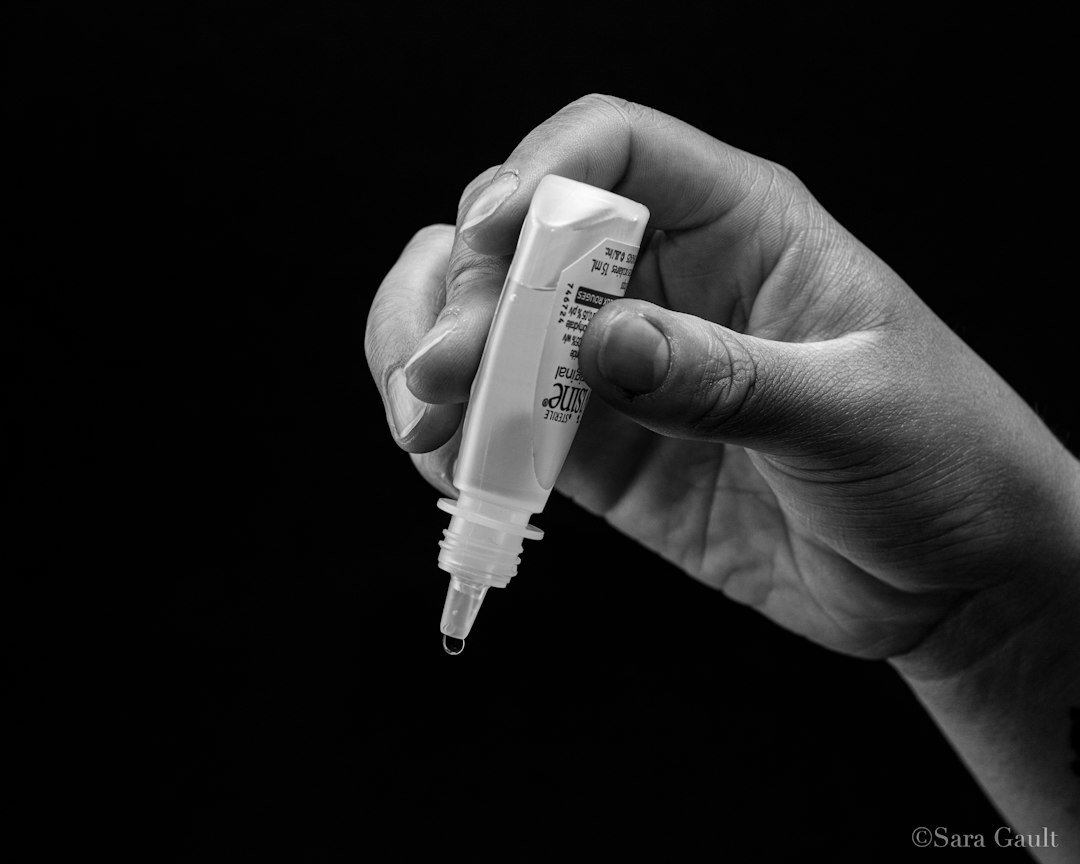
Eye drops are a common choice for everyday eye discomfort. Some are sold over the counter, and others are prescribed for specific conditions. They are not all interchangeable. Using the wrong type, or using drops the wrong way, can delay proper care or even make symptoms worse.
This guide explains the main types of eye drops, how to use them safely, and when to get professional help.
What Are Eye Drops Used For?
Eye drops are liquid medicines or lubricants applied directly to the eye. People use them for:
- Dryness and irritation
- Itchy, watery eyes from allergies
- Temporary redness
- Eye infections (when prescribed)
- Ongoing conditions such as glaucoma (when prescribed)
Common Types of Eye Drops
Artificial tears (lubricating drops). These add moisture and are commonly used for dry or tired eyes. Many are available over the counter in bottles or single-use vials.
Allergy eye drops. These are designed to ease itching and watering linked to allergies. Some are over the counter, and others need a prescription.
Redness-relief drops. These make the eye look whiter by narrowing surface blood vessels. They treat the appearance of redness, not its cause. Overuse can lead to rebound redness, where the eyes look redder once the drops wear off.
Antibiotic or anti-inflammatory drops. These are prescription medicines for specific infections or inflammation. They should only be used when a doctor prescribes them, and for the full course advised.
Glaucoma drops. These are prescription drops used long term to help manage eye pressure. They must be used exactly as directed, even when you feel fine.
How to Use Eye Drops Safely
- Wash your hands with soap and water.
- Check the label for the product name, expiry date and instructions. Shake the bottle only if the label says to.
- Tilt your head back and gently pull down your lower eyelid to form a small pocket.
- Hold the bottle above the eye without letting the tip touch your eye, eyelid, lashes or fingers.
- Squeeze out one drop into the pocket. A single drop is usually enough, since the eye can only hold a small amount.
- Close your eye gently for a minute or two. Pressing lightly on the inner corner of the eye can help keep the drop from draining away, but follow your doctor’s or pharmacist’s advice.
- Wipe away excess with a clean tissue and recap the bottle.
If you use more than one type of eye drop, ask your pharmacist or doctor how long to wait between them.
Common Mistakes to Avoid
- Touching the dropper tip. This can contaminate the bottle and the eye.
- Sharing eye drops. Sharing can spread infection.
- Using drops past the expiry date, or beyond the period the label gives after opening.
- Using redness-relief drops for days on end. Persistent redness needs a cause, not more drops.
- Using old prescription drops for a new problem without checking with a doctor.
- Stopping prescription drops early without advice.
Eye Drops and Contact Lenses
Some drops are made for use with contact lenses, and many are not. Preservatives in some products can build up in soft lenses. Check the label, or ask your pharmacist or eye care professional. They can tell you whether to remove your lenses first and how long to wait before putting them back.
When to See a Doctor
Eye drops are not a substitute for an eye examination. Seek prompt medical advice if you have:
- Eye pain
- Sudden changes in vision, or vision loss
- Sensitivity to light
- Thick or coloured discharge, or a swollen eyelid
- An eye injury, or chemicals in the eye
- Redness that does not improve, or that returns repeatedly
- Redness or pain while wearing contact lenses
Symptoms that come with headache, nausea or halos around lights can signal an urgent problem and should be assessed straight away.
Children, pregnant or breastfeeding women and people with existing eye conditions should check with a healthcare professional before using any eye drops.
The Bottom Line
Eye drops can be helpful when you choose the right type and use it correctly. Keep hands and bottle tips clean, follow the label, and don’t rely on drops to cover up symptoms that keep coming back. If in doubt, ask a pharmacist or eye care professional.
This article is for general information only and is not medical advice.