
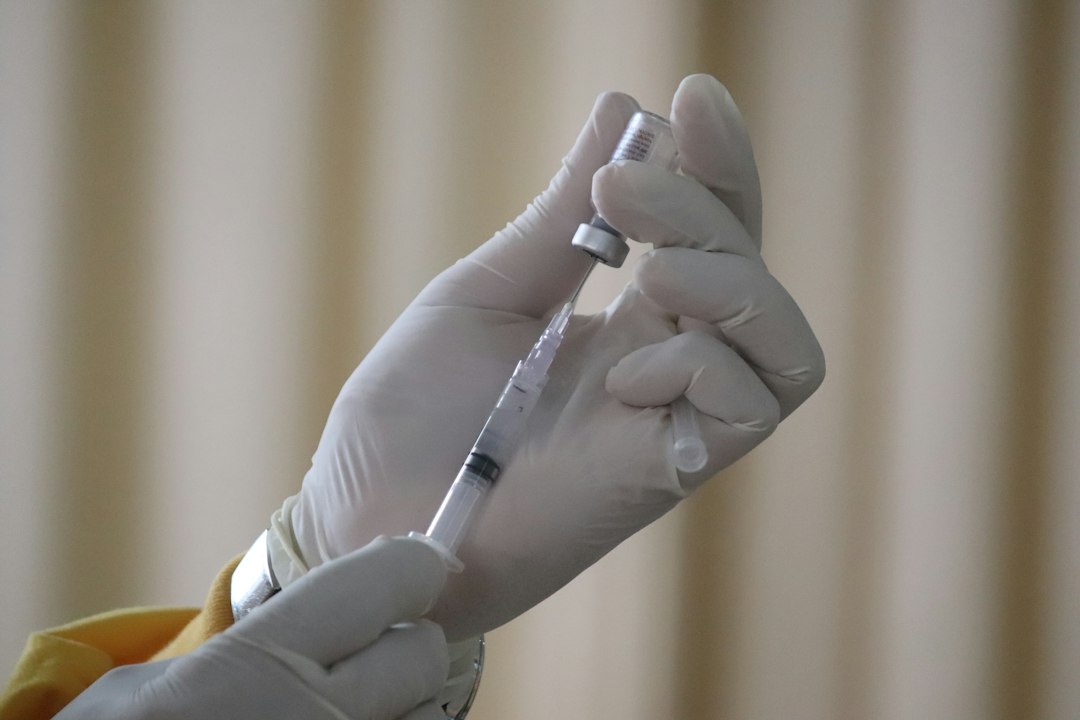
Measles is back in the news in a big way. On October 5, 2026, the governor declared a state disaster emergency over the ongoing measles outbreak, covering the entire state through November 4, 2026. If you live in New York, have family there, or travel through the state, it is worth knowing what is going on and what you can do about it. This guide covers the symptoms, how long people are contagious, who needs the MMR vaccine, and what to do if you think you have been exposed.
Where the Measles Outbreak in New York Stands
The numbers are rising. According to the state’s emergency order, 108 measles cases had been reported among New York residents in 2026 as of October 3, including 92 since July 15 in under-immunized rural communities across 18 counties. For comparison, the state’s total for all of 2025 was 48 cases.
A few other points help put this in context:
- It is mostly an upstate story. New York City had seven confirmed cases as of October 2. Earlier in September, state data showed the Southern Tier and the Finger Lakes had been hit hardest.
- The neighbouring state matters too. Pennsylvania has reported 977 cases and five deaths as of October 2, in rural counties that border New York.
- It is a national problem. The CDC had recorded 3,294 cases across the United States by September 10, 2026.
The state has also launched a measles dashboard so residents can follow confirmed cases by area. For the latest counts, check the New York State Department of Health website (health.ny.gov).
What Is Measles, and Why Does It Spread So Easily?
Measles is a viral illness that causes fever and a distinctive rash. If one person has measles, up to 90% of unvaccinated or otherwise non-immune people around them will also get it. That is far more contagious than most infections people worry about.
It spreads through the air when an infected person coughs or sneezes, and the virus can linger. Particles can remain in room air for at least two hours after the infectious person has left. People can also catch it from touching a contaminated surface and then touching their eyes, nose or mouth.
New York’s health officials explain that measles is still common in many parts of the world, and travellers sometimes bring it in. Usually, single cases do not lead to outbreaks because vaccination rates are high, but in areas with low vaccination rates, one exposure can lead to spread. That is exactly the pattern in the current upstate outbreak.
Measles Symptoms: What to Look For
Measles does not start with the rash, which is why it is easy to miss at first.
| Stage | What happens |
|---|---|
| Exposure to first symptoms | Symptoms usually start seven to 14 days after exposure, and sometimes as late as 21 days |
| Early symptoms | Fever, cough, runny nose and red, watery eyes |
| A few days later | A rash appears. It typically starts on the face and spreads down the body. |
Doctors suspect measles when a patient has a fever and rash along with a cough, runny nose, or red, watery eyes.
If you or your child develops these symptoms after a possible exposure, don’t just turn up at a clinic. Call ahead first so staff can arrange for you to be seen without exposing others in the waiting room.
How Long Is Measles Contagious?
This is one of the trickiest parts. A person can be contagious from four days before the rash appears until four days after. In other words, someone can spread measles before they, or anyone around them, know what it is.
That is why contact tracing matters, and why people contacted by a local health department are urged to respond.
Why Measles Is More Serious Than “Just a Rash”
For many people measles is a miserable week. For others it is much worse. The state health department describes it as highly contagious and able to cause serious illness and hospitalisations, although it is effectively prevented by up-to-date vaccination.
Some of the risks are less obvious:
- Lowered immunity. Measles can reduce the immune system’s ability to fight other infections, such as pneumonia.
- Late complications. The state’s emergency order lists subacute sclerosing panencephalitis, which can cause central nervous system deterioration and death several years after infection, among the possible consequences. It is rare, but it is one reason health officials take measles seriously.
Who Should Be Especially Careful?
Anyone who is not immune can catch measles, but some groups are at higher risk of getting very sick or of being exposed:
- Babies too young to be vaccinated. Routine vaccination does not start until around 12 months, and infants under 6 months are handled differently after an exposure (see below).
- Unvaccinated or under-vaccinated children and adults, especially in communities with low vaccination rates.
- Pregnant women and people with weakened immune systems, who cannot receive the MMR vaccine. If you are pregnant, our guide to pregnancy health covers what to discuss with your doctor.
- Travellers, particularly those heading abroad or to areas with an outbreak.
The MMR Vaccine: How Well Does It Work?
The MMR vaccine protects against measles, mumps and rubella, and it is the main way to prevent measles. According to the CDC, one dose is 93% effective against measles, and two doses are 97% effective. Two doses are the standard for children. Side effects are usually mild, and the most common are a fever (up to 1 in 6 people) or a mild rash (about 1 in 20).
No vaccine is perfect. Vaccinated people who do catch measles generally have milder symptoms.
Measles in Adults: Do You Need a Vaccine?
Yes, adults can get measles, and plenty of adults honestly don’t know their status. The CDC guidance is fairly clear:
- Adults are recommended to have at least one documented dose of MMR. Some higher-risk adults need two doses, spaced at least 28 days apart.
- CDC considers adults born before 1957 to have presumptive evidence of immunity.
- New York City’s health department advises that people born in or after 1957 who do not have documentation of two MMR doses, or a blood test showing immunity, should be vaccinated.
If you can’t find your records, ask your doctor or local health department what makes sense for you. Do not assume childhood vaccination records are sitting in a drawer somewhere.
Measles Exposure: What to Do Next
If you think you have been exposed to someone with measles, act quickly. Time matters for the vaccine.
- Check your immunity. If you have two documented MMR doses, you are considered protected. People with proof of immunity do not need to be quarantined.
- If you are not immune, call your doctor or local health department right away.
- Ask about post-exposure protection. The CDC says the MMR vaccine, if given within 72 hours of the first exposure, is the preferred option. Immune globulin, given within six days, is generally reserved for vulnerable people, such as infants under six months, and it provides only short-term protection.
- Watch for symptoms. Because symptoms can appear up to three weeks after exposure, stay alert for fever, cough, runny nose or red eyes during that time.
- Call ahead before visiting a clinic or hospital if you develop symptoms.
If you cannot get the vaccine, for example because you are pregnant or have a weakened immune system, immune globulin can be given instead.
Common Mistakes to Avoid
- Waiting for the rash. By then, you may already have been contagious for days.
- Walking into a waiting room unannounced with possible measles symptoms.
- Assuming you’re immune because you “probably” had the vaccine as a child.
- Missing the 72-hour window after an exposure.
- Stopping at one dose when your situation calls for two.
When to See a Doctor
Contact a healthcare provider promptly if you develop a fever with a rash, especially after a known exposure or travel. Seek urgent care if you or your child has trouble breathing, is very drowsy or hard to wake, or has a fever that won’t come down. And again, call ahead so staff can protect others.
Frequently Asked Questions
Is there a measles outbreak in New York right now?
Yes. As of October 3, 2026, the state had reported 108 cases this year, and the governor declared a state disaster emergency on October 5, 2026. Most cases are in rural counties outside New York City.
Is New York City affected?
New York City has reported seven confirmed cases as of October 2, 2026, far fewer than some upstate regions. Check the NYC Health Department’s measles page for weekly updates.
What are the first signs of measles?
Fever, cough, a runny nose and red, watery eyes. The rash typically appears a few days later.
How long is measles contagious?
From four days before the rash appears to four days after.
Can adults get measles?
Yes. Anyone who isn’t immune can catch it at any age. Adults should check whether they have documented MMR doses.
Can I still get the MMR vaccine after being exposed?
Yes. The vaccine may help if given within 72 hours of exposure, and it will also provide long-term protection. Talk to your doctor promptly.
How effective is the MMR vaccine?
One dose is about 93% effective against measles and two doses about 97%.
The Bottom Line
The current measles outbreak in New York is serious, but there is a lot you can do. Check that you and your family are up to date on MMR, know the early symptoms, and don’t wait for a rash before calling your doctor if you think you’ve been exposed. If you’re unsure about your vaccination status, a quick call to your doctor or local health department today is a sensible first step.
Related reading: Pneumonic Plague: Symptoms, Causes, Treatment and Prevention
Sources
- New York State: Executive Order No. 65 (measles disaster emergency)
- New York State Department of Health: press release, August 24, 2026
- NYC Health Department: Measles
- CDC: Measles Vaccination
- CDC: Immune Globulin for Measles Post-Exposure Prophylaxis
This article is for general information only and is not medical advice. See our Medical Disclaimer. Case numbers are accurate as of October 3, 2026 and change frequently.