

Pregnancy is one of the most transformative phases of a woman’s life. It is a journey filled with excitement, change, and unique health needs as your body adapts to nurture new life.
Whether you are expecting your first child or expanding your family, understanding the physical, emotional, and nutritional aspects of prenatal care helps you navigate each stage with confidence. This evidence-based guide outlines what to expect from early symptoms through each trimester, along with key nutrition rules to support both you and your baby.
Early Signs and Symptoms of Pregnancy
The journey of pregnancy begins with subtle hormonal and physical changes. While every individual’s experience differs, recognizing these common signs helps you confirm a pregnancy early and begin timely prenatal care.
Common Early Symptoms
- Missed Period: Usually the first indicator. However, irregular cycles, high stress, or sudden weight shifts can also cause delayed menstruation.
- Breast Tenderness: Hormonal shifts make breast tissue feel sensitive, swollen, or heavy within a few weeks of conception. The area around the nipples (areolas) may also darken.
- Nausea (“Morning Sickness”): Driven by rising human chorionic gonadotropin (hCG) levels, nausea can occur at any time of day. It typically begins around weeks 4 to 6.
- Fatigue: Surging progesterone levels combined with the body’s increased metabolic demand can cause significant drowsiness during the first trimester.
- Frequent Urination: Increased blood volume forces the kidneys to process more fluid, leading to more frequent bathroom visits.
- Food Cravings and Aversions: Hormonal fluctuations alter taste preferences and sensitivity to smells.
- Light Spotting: Known as implantation bleeding, light spotting may occur 6 to 12 days after conception when the egg attaches to the uterine lining.
When to Consult a Doctor: Mild nausea is standard, but persistent severe vomiting—known as hyperemesis gravidarum—requires medical attention to prevent dehydration and electrolyte imbalance.
Confirming Your Pregnancy
If you suspect you are pregnant, confirm it using one of the following methods:
- Home Pregnancy Tests: Most reliable when used with first-morning urine after a missed period.
- Clinical Blood Tests: Measures exact quantitative hCG levels, detecting pregnancy earlier than standard urine tests.
- Ultrasound: A transvaginal or abdominal scan confirms implantation, checks heartbeat activity, and determines gestational age.
Essential Prenatal Nutrition: What to Eat
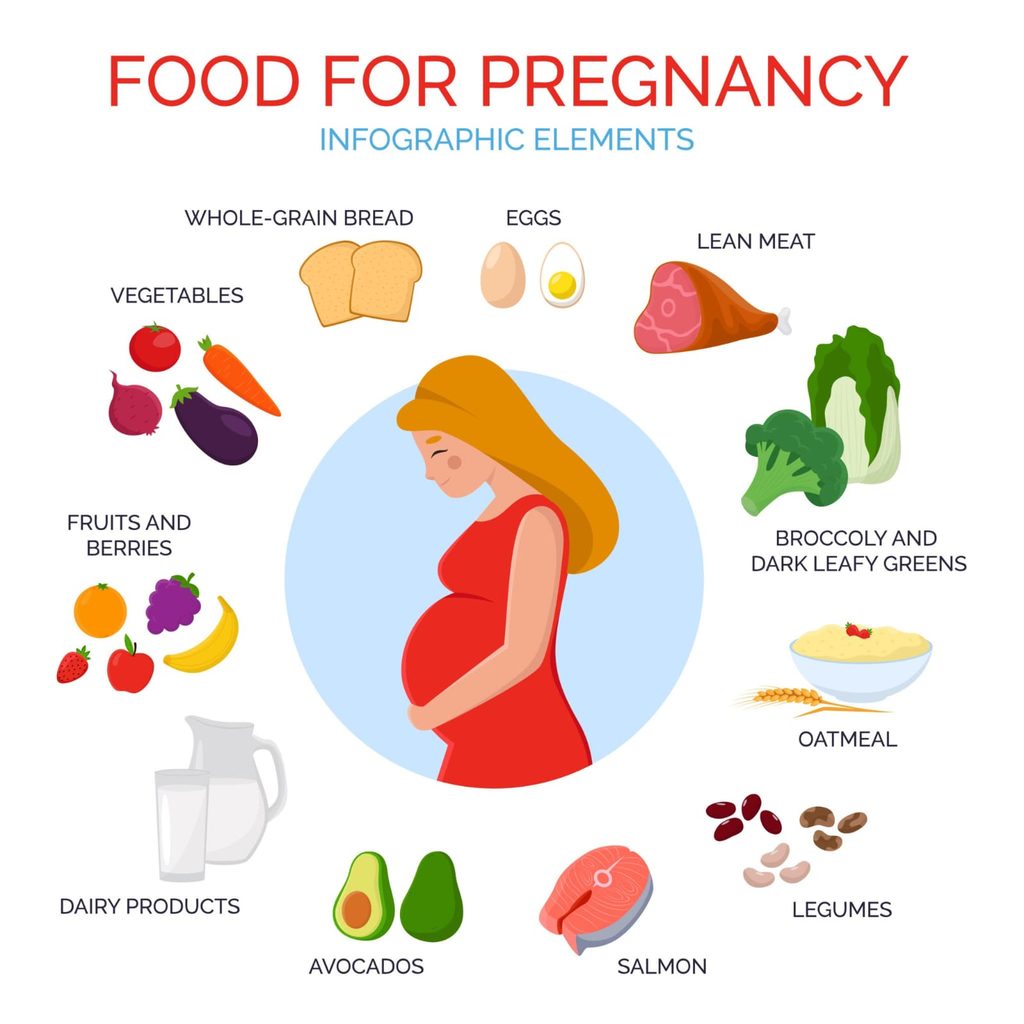
Proper nutrition during pregnancy supports fetal organ development and protects maternal bone density and blood supply. Contrary to the common saying, “eating for two” does not mean doubling your food volume—it means increasing nutrient density.
Caloric Requirements by Trimester
- First Trimester: No additional calories required.
- Second Trimester: Approximately 300 to 350 extra calories per day.
- Third Trimester: Approximately 450 to 500 extra calories per day.
- . Calorie Calculator
- Link:
- [https://trueglobalcare.com/calorie-calculator/ ]
Focus on gaining these extra calories from nutrient-rich foods, such as a whole-grain toast with avocado or Greek yogurt with berries, rather than empty sugars or refined fats.
Core Nutrients Required During Pregnancy
| Nutrient | Daily Requirement | Key Benefits | Top Food Sources |
|---|---|---|---|
| Folic Acid (Folate) | 600–800 mcg | Helps prevent neural tube defects (e.g., spina bifida) | Leafy greens, lentils, chickpeas, fortified grains, avocados |
| Iron | 27 mg | Supports a 50% increase in blood volume; prevents anemia | Lean red meat, poultry, beans, spinach, fortified cereals |
| Calcium | 1,000 mg | Builds baby’s bones and teeth; protects maternal bone density | Dairy products, fortified plant milks, kale, tofu, canned salmon |
| Protein | 70–100 g | Serves as the building block for baby’s cells and tissue growth | Eggs, poultry, fish, beans, nuts, Greek yogurt |
| DHA (Omega-3) | 200–300 mg | Critical for fetal brain and vision development | Salmon, sardines, fish oil supplements, flaxseed, walnuts |
| Vitamin D | 600–800 IU | Enhances calcium absorption and immune health | Fortified milk, egg yolks, salmon, safe sunlight exposure |
Absorption Tip: Combine non-heme (plant-based) iron sources like spinach or beans with Vitamin C (citrus, bell peppers) to boost absorption. Avoid taking iron supplements simultaneously with calcium or dairy, as calcium reduces iron uptake.
Foods and Substances to Avoid
To guard against foodborne pathogens like Listeria, Salmonella, or Toxoplasma, temporarily remove the following items from your diet:
- Raw or Undercooked Proteins: Avoid raw sushi, rare meat, poultry, and unpasteurized eggs.
- Unheated Deli Meats: Heat processed meats (turkey, ham, hot dogs) until steaming hot to kill potential bacteria.
- Unpasteurized Dairy & Soft Cheeses: Avoid cheeses made from raw milk (e.g., unpasteurized feta, brie, camembert, or blue cheese).
- High-Mercury Fish: Avoid shark, swordfish, king mackerel, and tilefish. Opt for low-mercury choices such as wild salmon, cod, or light canned tuna.
- Alcohol: No level of alcohol consumption is considered safe during pregnancy.
- Excess Caffeine: Limit daily intake to under 200 mg (roughly one 12-ounce cup of coffee).
Monthly Physical Changes Across Trimesters
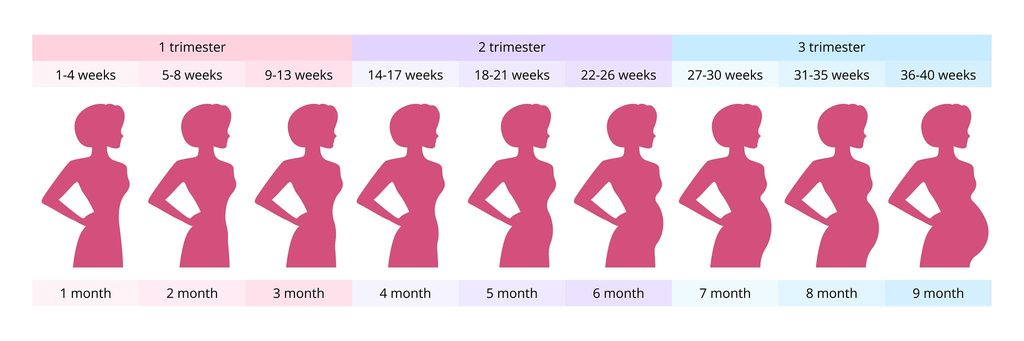
Pregnancy spans roughly 40 weeks, divided into three distinct trimesters.
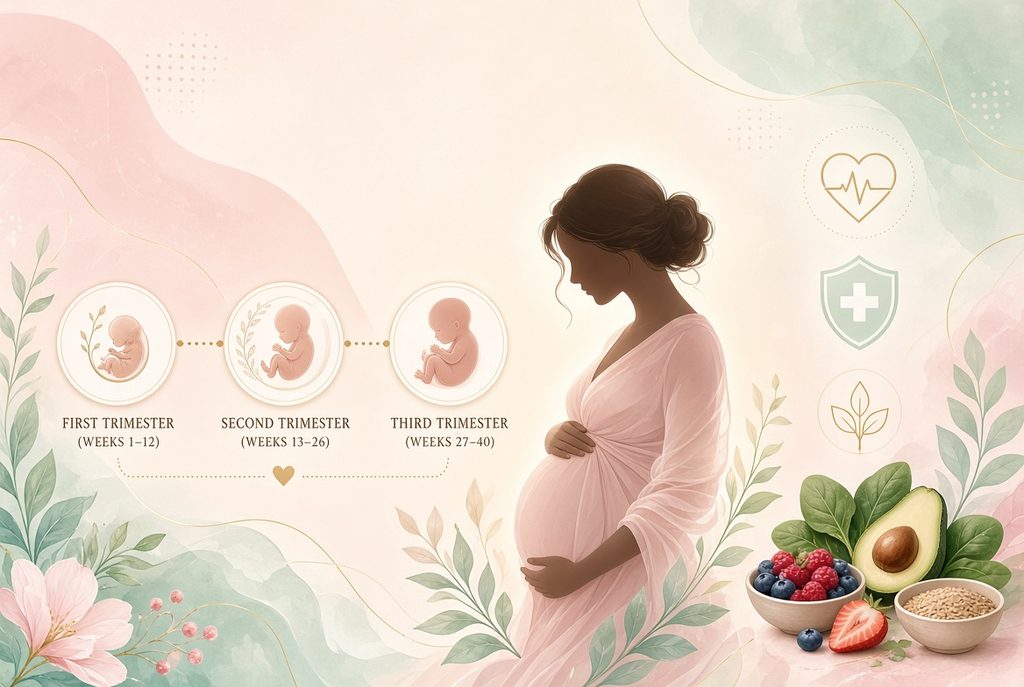
First Trimester (Weeks 1 to 12)
Inside the body, rapid cellular division occurs. The heart begins beating around week 5–6, and primary organs take shape. Externally, physical changes may not yet be obvious, but fatigue, hormonal shifts, and nausea are most pronounced during this stage.
Second Trimester (Weeks 13 to 27)
Often called the most comfortable phase, early symptoms like nausea generally recede. Energy levels improve, and the abdomen begins to round noticeably.
- Weeks 16–20: You may feel initial fetal movements (quickening), often described as light flutters.
- Weeks 18–22: An anatomy scan evaluates structural development and organ formation.
Third Trimester (Weeks 28 to 40)
The baby grows rapidly in weight and size, putting physical pressure on your lungs, stomach, and pelvis. You may experience shortness of breath, mild swelling in the feet, and practice contractions (Braxton Hicks). Focus shifts toward monitoring movement patterns and preparing for delivery.
Frequently Asked Questions (FAQ)
How do I manage morning sickness if I cannot keep food down?
Eat small, frequent meals throughout the day rather than three large ones. Keep bland crackers near your bed to eat before getting up. Cold foods, ginger tea, and staying hydrated between meals also help reduce nausea.
Are prenatal vitamins necessary if I eat a balanced diet?
Yes. Even with a balanced diet, meeting higher micronutrient targets—such as 27 mg of iron and 600 mcg of folate—can be difficult through food alone. A prenatal vitamin acts as an essential dietary safety net.
What warning signs require immediate medical attention?
Contact your healthcare provider immediately if you experience severe abdominal pain, persistent severe headaches, sudden swelling in the face or hands, vaginal bleeding, high fever, or a sudden decrease in fetal movement.
One Response